

We’re stronger together than divided. What the near banning of the book, "My Friend Flicka" teaches about hope for the arts and national unity


We’re stronger together than divided. What the near banning of the book, "My Friend Flicka" teaches about hope for the arts and national unity
By Steve Gelsi, co-founder of iD magazine of Jacksonville, Fla.
I came to Jacksonville, Fla., in late 1990 as a single, late 20s newspaper reporter who was relocating to Florida after nearly three years living in the Philadelphia area. I had landed a reporting job at the Florida Times-Union, the main daily newspaper for Jacksonville, after responding to a classified ad seeking a staff writer for its thriving West Side Community News section. They hired me and I moved down to Jacksonville.
During the day, I did stories about elementary schools and Operation Desert Storm and gatherings such as the Westside Business Men’s Club, a chamber of commerce-type group that sometimes included women.
It was good enough work, but not as glorious as writing for the Metro Desk. The Metro Desk handled all the breaking cop arrests, traffic accidents and other tickets to a brief glimpse of journalistic glory in stories that often made the front page.
Once in a while, the Metro desk would pick up something I wrote up. One of the stories I did about a potential banning of the young adult book, “My Friend Flicka,” by Mary O’Hara not only made it to the Metro section, but it was also picked up by the Associated Press wire for news outlets around the U.S. This was a very big deal for me because it was the first time any of my work had made it to the national stage, although it was just a news brief.
Here’s what the story said: Apparently the Clay County school district based in Orange Park, Fla., was deciding whether to ban the 1941 book, which told the story of a boy growing up on a horse farm and his life with his mother, father and brother as he befriended a horse named Flicka.
Some parents were reportedly upset at the word “bitch” which was used in anger by the father at the farm to describe a different horse who often ran away and caused difficulties on the farm.
I was quite proud of myself for writing up that initial news report and gaining a tiny bit of notoriety by getting it on the wire. But I must confess to this day I had never read “My Friend Flicka.”
So as part of the re-fresh of iD magazine for Jacksonville to help illuminate creativity and the arts scene from your living room to the clubs and restaurants and outdoor gathering spaces in the big city, I revisited the book.
I would actually recommend “My Friend Flicka.” Like any good story aimed at a grade school audience, it offered something for adults. Namely, it’s a story about a kid who shows characteristics of autism and his relationship with his horse helps him get back on track. It’s also a good, at-times gritty portrayal of life on a horse farm in the far West, including a chapter about the castration of horses and the impact it had on the main character, a boy of about ten or 11 years old. The story peaks at the attack of the main villain – a huge mountain lion – and the family’s victory over it. In the course of all this action, the main boy character regains his father’s respect and shows more enthusiasm for life as a proven caretaker of Flicka.
The story I wrote was very short, and it sort of implied, ‘Hey there go those hicks again trying to thump the bible and burn our books.’
But the reality was more interesting.
After my story ran on the AP about a potential ban, the Clay County School Board decided not to ban Flicka. That follow-up story didn’t get as much attention of course.
According to this account of what happened next by a former book editor in Florida, the bid to ban Flicka was unsuccessful after a special committee made up of about a dozen teachers and parents reviewed the complaint and recommended the book to remain on the shelves of the Clay County school district.
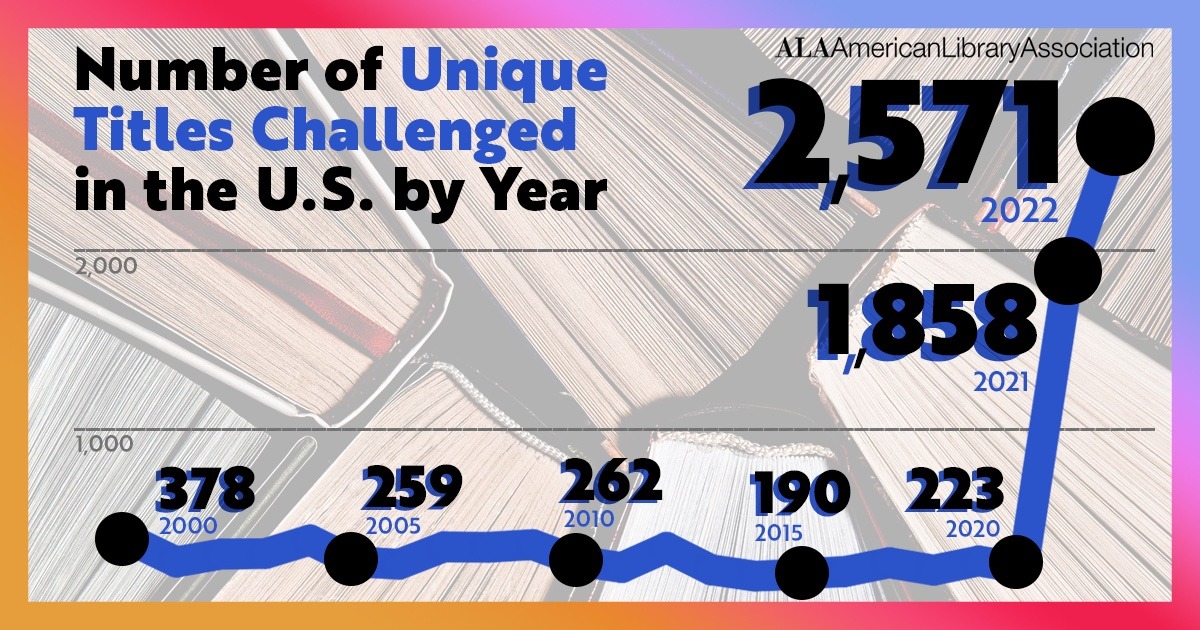
So, the better story here was follow-up development, really, that showed that common sense prevailed against fearmongering around books.
I like to think that some of the same folks from North Florida who rescued “Flicka” from book censors are also the sort of positive people that helped get iD off the ground. Jacksonville may be put into a box, but in reality, the arts and expression have a good home here.
Some of those same people are pushing back against books being taken off the shelf now in Florida. One Florida resident I know in Winter Park is a schoolteacher who had to have one of his students remove the “offensive” books from the classroom one day last year. My friend said his students noticed a common thread with the banned books. My teacher friend said, “One kid told me, ‘Hey teacher, I noticed that all these books they don’t like are about people doing something different from most people and getting in trouble for it’,” my friend said.
That’s not cool at all.
Yeah, books banned are on the rise again it seems, along with a lot of the ugly extremism on both sides of the political spectrum. We’re stronger together than divided.
Just as iD magazine showed that there are plenty of tolerant people out there, I continue to see signs that the center of common-sense America may win out and keep our Democracy intact. They didn’t ban “My Friend Flicka” in the 1990s and maybe those same sensible folks will win out again.
We all have more in common as Americans than we sometimes realize. Let’s celebrate freedom and great writing and good music together, along with some smoked meats or at least some tasty BBQ beans and cornbread for the vegetarians out there.


Comments